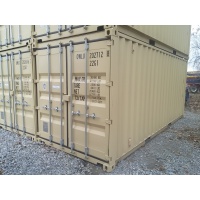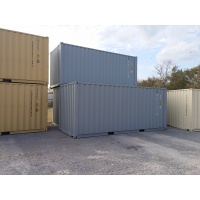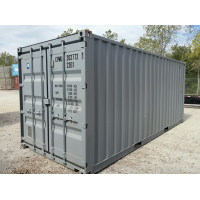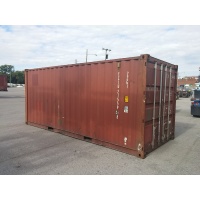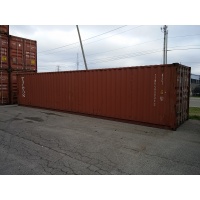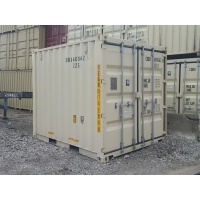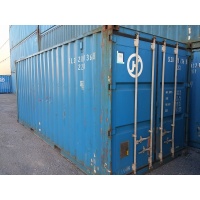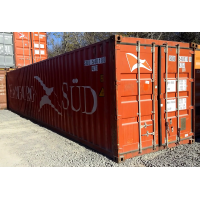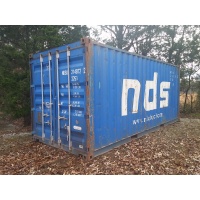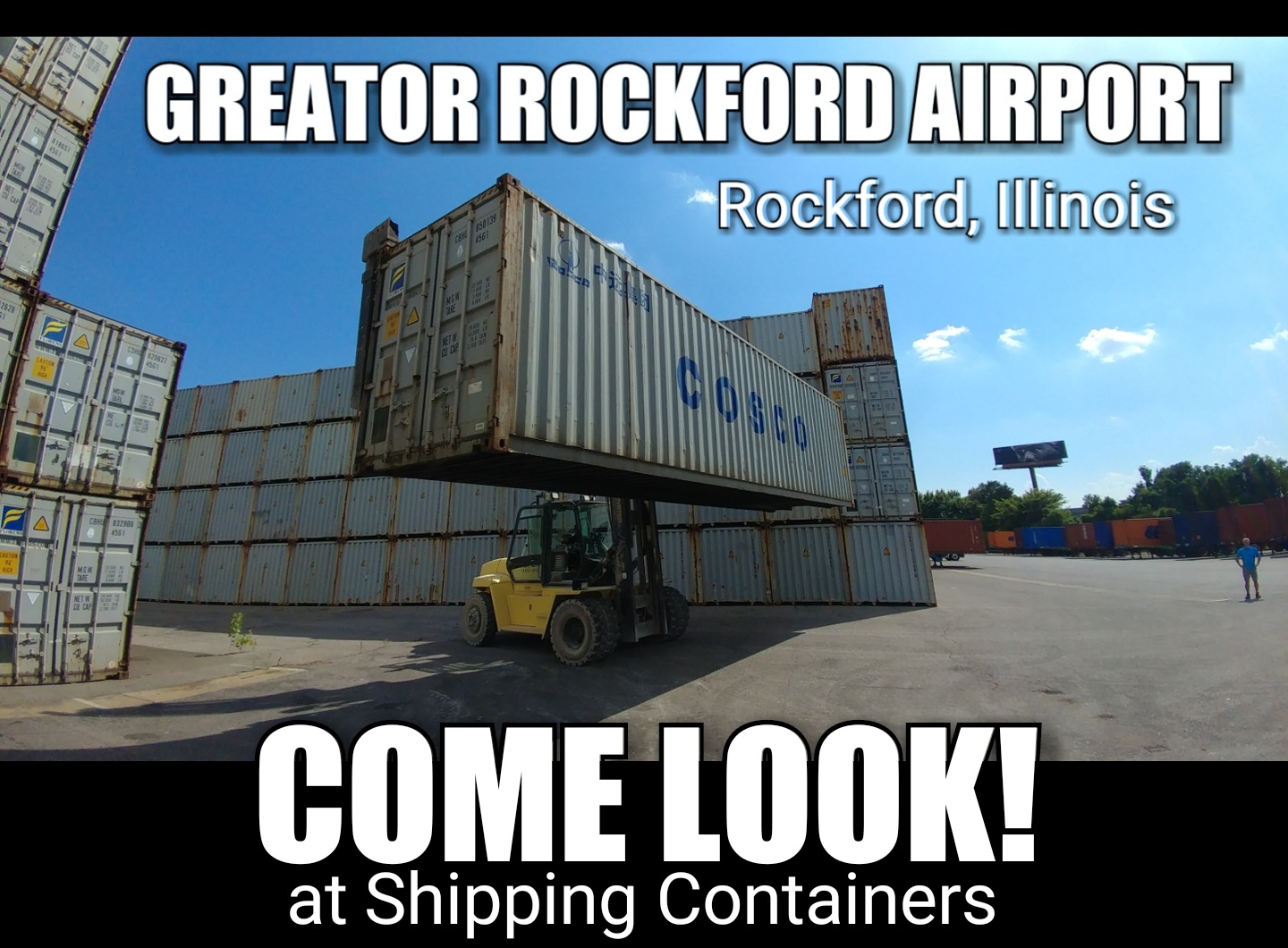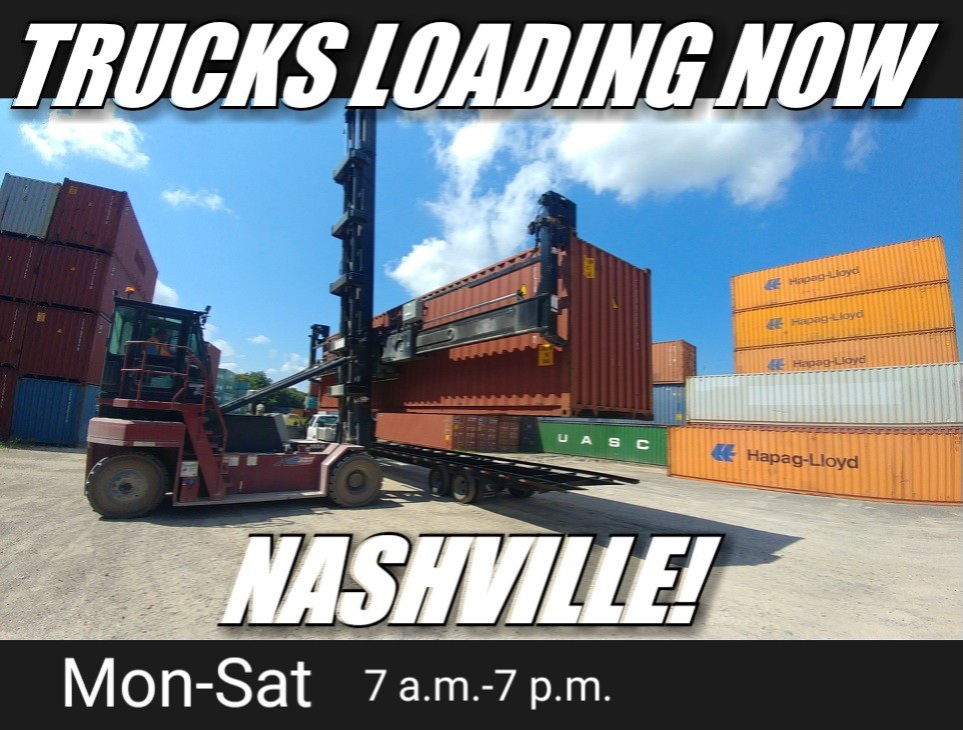












When applied to shipping, not only does block chain allow Maersk to track each cargo container easier; it also allows the company to monitor the contents inside each metal box as well. This might sound more tedious at first, as every container holds multiple items, but block chain runs on a digital channel, making the tracking process faster and more efficient.
Maersk successfully completed the test and sees less paperwork as an immediate after effect. To put things into perspective, the shipping line mentioned that one container transferred from Africa to Europe requires over 200 interactions. Each of these interactions creates new sets of documents and the circulation runs among 30 individuals more or less. The processes make up a significant portion of the transfer time, not to mention the materials they use which add to the costs.
Heightened Security
But reduced paperwork is only a part of a much larger picture. An http://www.coindesk.com/worlds-largest-shipping-company-tracking-cargo-blockchain/ report by Coin Desk explained that the digitalization of the tracking system is also a measure against fraud. According to Ibrahim Gokcen, chief digital officer of Maersk Transport and Logistics, “There are lots of entities involved, lots of signatures involved and one of block chain’s clear promises is to make this trusted environment to allow parties to exchange information and to actually not cheat the system.”
Every day, logistics companies work round the clock to combat fraudulent transactions. With the introduction of block chain, the flow of data is then monitored more accurately making it hard to change the labels of shipments in the paperwork, thereby eliminating the chance of unauthorized modification of the containers’ contents in any way.
Increasing Trade Volumes
Moreover, block chain has the potential to allow Maersk to manage empty containers more effectively. The shipping giant has over 620 vessels in its fleet and there are instances where there are either too many containers or too few. VP of IBM Research Ramesh Gopinath, one of the officials involved in the Maersk test, stated that, “There’s a trade imbalance resulting from all these empty containers being located in the wrong places.”
As the block chain system for logistics is developed, Gopinath believes that it can eventually allow shipping companies to gather information about available containers in real-time. The result will be less empty containers and increased trade volumes.
Future Expansions
Seeing as the transfer of shipping containers doesn’t only involve sea vessels and ports, the block chain system could very well be expanded into fleet vehicles including cargo trucks. As of today, fleet tracking technology is mainly done via GPS which is explained through an https://www.telogis.com/blog/combat-distracted-driving-with-fleet-tracking . Telogis post as a means to improve route management and monitor driving behavior. In conjunction with block chain technology, shipping companies can then include the goods hauled by these vehicles to the tracking list.
Also, Maersk has expressed interest in expanding its business through the takeover of Hamburg Sud. An http://container-news.com/maersk-line-hamburg-sud-offer-merger-concessions-to-gain-eu-approval/ previous Container News report specified that a decision from the European Commission is scheduled to be passed down on April 10. If this happens, the implementation of digitized tracking through block chain will prove to be more essential to develop the company’s operations even further.
The view and opinions expressed are solely those of the original authors and other contributors.These views and opinions do not necessarily represent those of Container-News.com.
By Reese Jones